
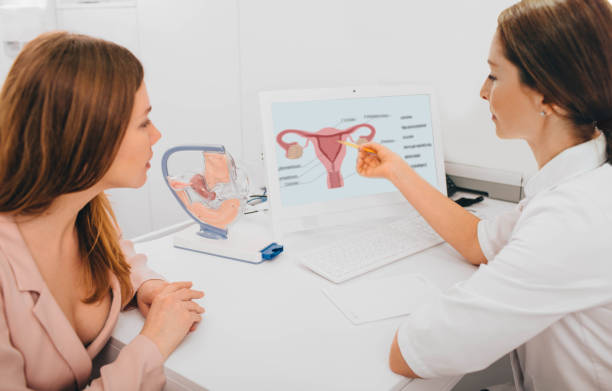
What Causes Female Infertility?
Female infertility can result from a variety of factors that affect a woman's ability to conceive. Hormonal imbalances, including problems with ovulation, are among the most common causes of the inability to release healthy eggs. Structural issues with the reproductive system, such as blocked fallopian tubes, uterine abnormalities, or scarring from infections or surgery, can also make conception difficult. Age is significant because fertility typically declines with age, particularly in the mid-30s.Diabetes, endometriosis, thyroid problems, and polycystic ovarian syndrome (PCOS) are chronic conditions that may affect reproductive function.
Significant weight fluctuations, smoking, alcohol use, poor nutrition, and excessive stress are examples of lifestyle factors that may further reduce fertility. Additionally, certain women may find it more difficult to conceive naturally due to autoimmune diseases and genetic abnormalities that affect reproductive health. Women with these issues can benefit from Female Infertility Treatment in Malad, which provides expert care and state-of-the-art reproductive techniques to raise the chances of conception.
Tests for Infertility
Your doctor may recommend several tests as part of the treatment for female infertility in Malad, including a blood test to measure hormone levels and an endometrial biopsy to examine the lining of your uterus. Hysterosalpingography (HSG), which uses X-rays or ultrasounds of your reproductive organs, is another important test. Your doctor will inject dye or saline and air into your cervix to see if the fallopian tubes are blocked.Laparoscopy is an additional option that entails making a small incision near your belly button to implant a thin tube with a tiny camera. By allowing the doctor to check the outside of your uterus, ovaries, and fallopian tubes for abnormal growths and to determine whether the tubes are clogged, this guarantees comprehensive care under Female Infertility Treatment in Malad.
How Is Female Infertility Treated?
Depending on the underlying cause, female infertility can be addressed in a number of ways. To increase fertility, lifestyle changes like keeping a healthy weight, controlling stress, and abstaining from smoking and excessive alcohol consumption are frequently advised. Women with ovulatory problems may benefit from hormonal therapies, such as gonadotropins or clomiphene citrate. For structural problems such as endometriosis, uterine abnormalities, or blocked fallopian tubes, surgery may be required. When less invasive methods are insufficient, assisted reproductive technologies (ART) such as in vitro fertilization (IVF) or intrauterine insemination (IUI) can be used to increase the chances of conception. Additionally, women who wish to delay becoming pregnant or who have health conditions that affect fertility might want to look into fertility preservation procedures like egg or embryo storage. Female Infertility Treatment in Malad guarantees the best course of action for each individual by providing individualized treatment and close observation by a fertility specialist.